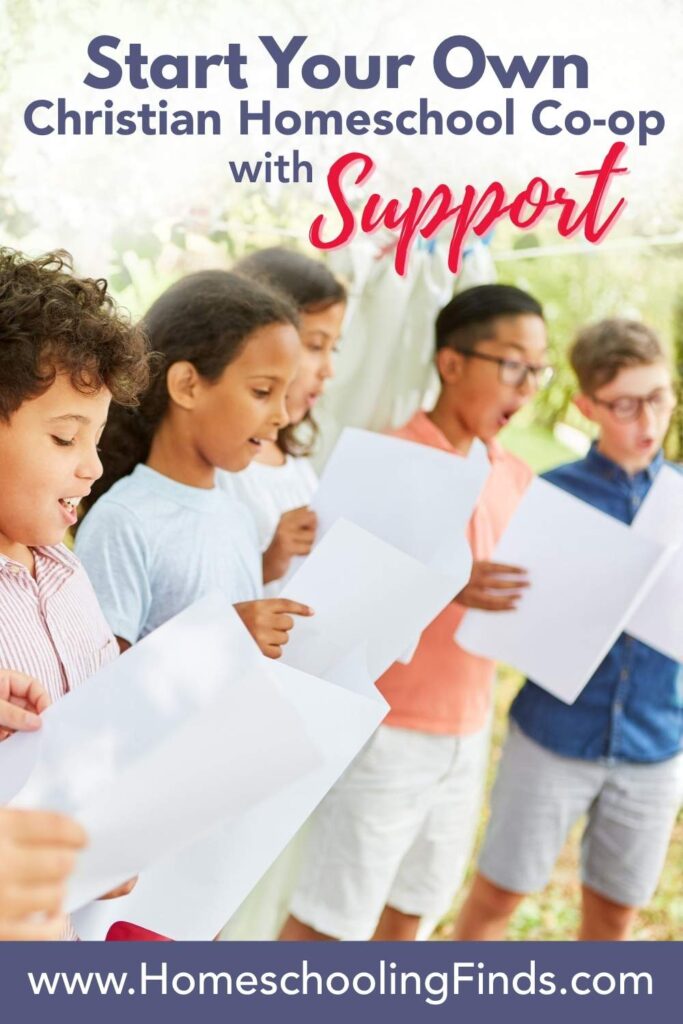
When children approached librarian Beverly Cleary, she struggled to find books with relatable characters—so she wrote her own. She saw a need and met it. If you are searching for local Christian homeschool co-ops and your search results come up short, consider starting your own. The homeschool co-op movement is growing, with families seeking community every year, but not all co-ops are equal. You might find that the ones showing up in your search are slightly too far away, full, not within budget, or misaligned with your core beliefs. Starting a homeschool co-op could be your perfect solution, and Christian homeschool co-op support is available.
How Do I Set Up a Christian Homeschool Co-op?
First, consider which admissions philosophy you will use: evangelistic or covenantal.
Second, decide which teaching approach your co-op will have: standard or classical.
Third, look at the grade levels you will offer: elementary, middle school, and/or high school.
Fourth, find a place that offers Christian homeschool co-op support.
Is Free Online Training Available for Homeschool Co-op Leaders?
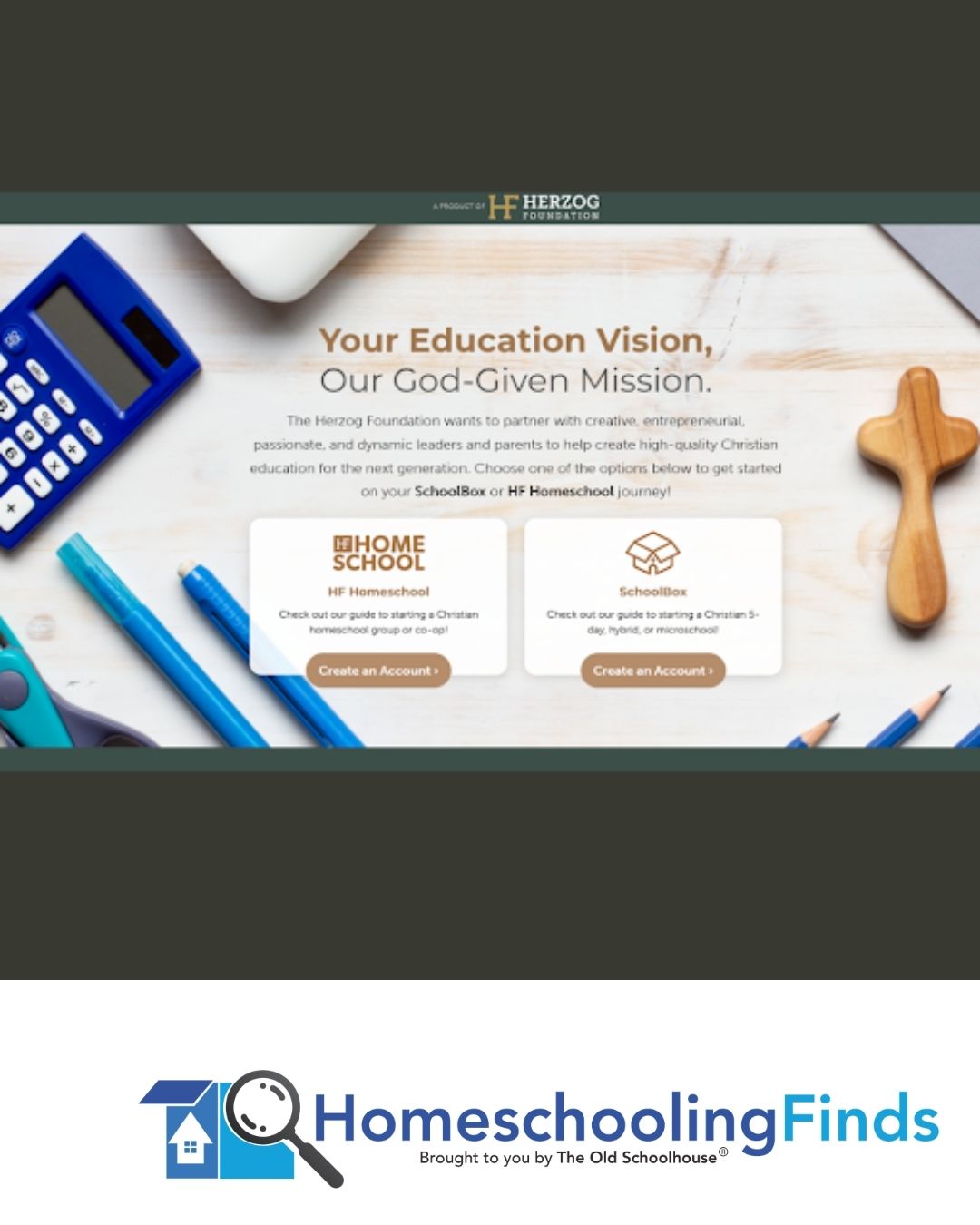
The Herzog Foundation provides free online training and support for anyone starting a homeschool co-op. HF Homeschool takes aspiring leaders step-by-step as they begin to launch co-ops in their communities.
Dedicated Christian Resources for Homeschool Co-ops
Passionate about Christian education, the founder of the Herzog Foundation, Stanley Herzog, sought to provide local parents, churches, and schools with the tools needed to help them reclaim their children’s education for Christ. His goal was to strengthen educators. Teachers. Parents. He created conferences and events to train Christian educators across the board with the goal to carry on the legacy of Christian education through future leaders. This has led to the Christian homeschool co-op support found within the HF Homeschool courses. Providing homeschooling parents with co-op tips, training, and mentorship, HF Homeschool is decidedly Christian with the ultimate goal of pointing young people to Christ.
What If I Am Unsure About Which Method to Use in My Co-op?
As you progress through the HF Homeschool training video series, the Herzog Foundation introduces you to a variety of Christian education organizations, each with its own ideology and educational approach. The time that each section takes to complete varies. Blocking out a dedicated amount of time over the course of several days or weeks to adequately learn and retain the information provided will help leaders gain the most from these courses. Co-op leaders need not have a college degree in Christian education, but those seeking to understand fundamental principles taught in higher-level institutions will gain similar insight with HF Homeschool training. Within these courses, leaders are introduced to organizations such as:
- Anglican School Association
- Association with Classical Christian Schools
- Charlotte Mason Institute
- The Foundation of American Christian Education
- Ambleside Schools International
- Turning Point Academy
- Portals Education
- And More
After learning about the philosophies and methodologies behind these various organizations, you will choose which best suits the needs of your family and community.
What Is the Difference Between an Evangelistic or Covenantal Co-op?
When seeking Christian homeschool co-op support from the Herzog Foundation, potential leaders are asked a variety of questions, including:
- Why is Christian education important to you?
- What is your current occupation, and what time commitment are you willing to give to start your co-op?
- What is the specific reason you want to start a Christian homeschool co-op? Why does your community need it?
- What type of governance structure will your co-op have? Church subsidiary or independent?
- What grade levels will you serve?
Additionally, leaders are asked if they are seeking to provide an evangelistic or covenantal co-op. Understanding the difference will help you with your curriculum selection, format, and marketing. The two main types of Christian homeschool co-ops are:
Evangelistic Co-op: This is for leaders seeking to have a community outreach. While the core leaders, teachers, and instructors may be required to sign a statement of faith, membership is open to anyone, regardless of their faith. The goal is to provide Christian education to the community and anyone is welcome to participate.
Covenantal Co-op: This is for leaders seeking to provide an educational environment for homeschoolers who share similar beliefs. Leaders, teachers, helpers, and members generally sign or agree to a particular statement of faith.
What Is Included in HF Homeschool Co-op Training Courses?
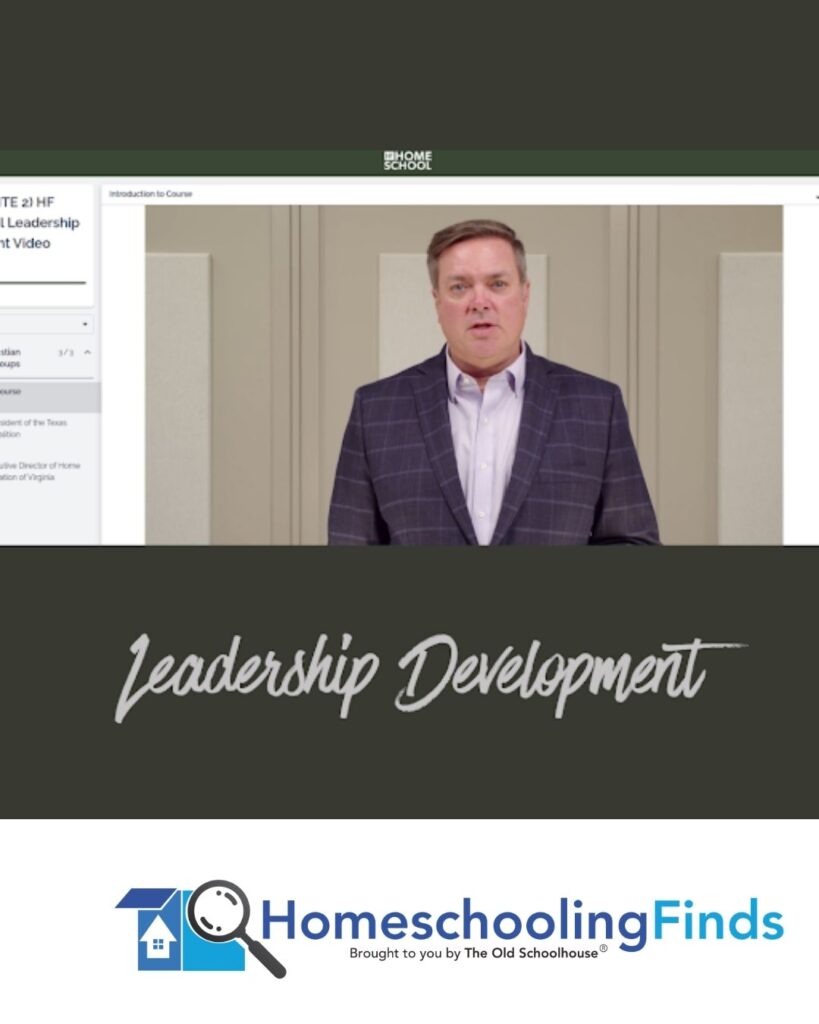
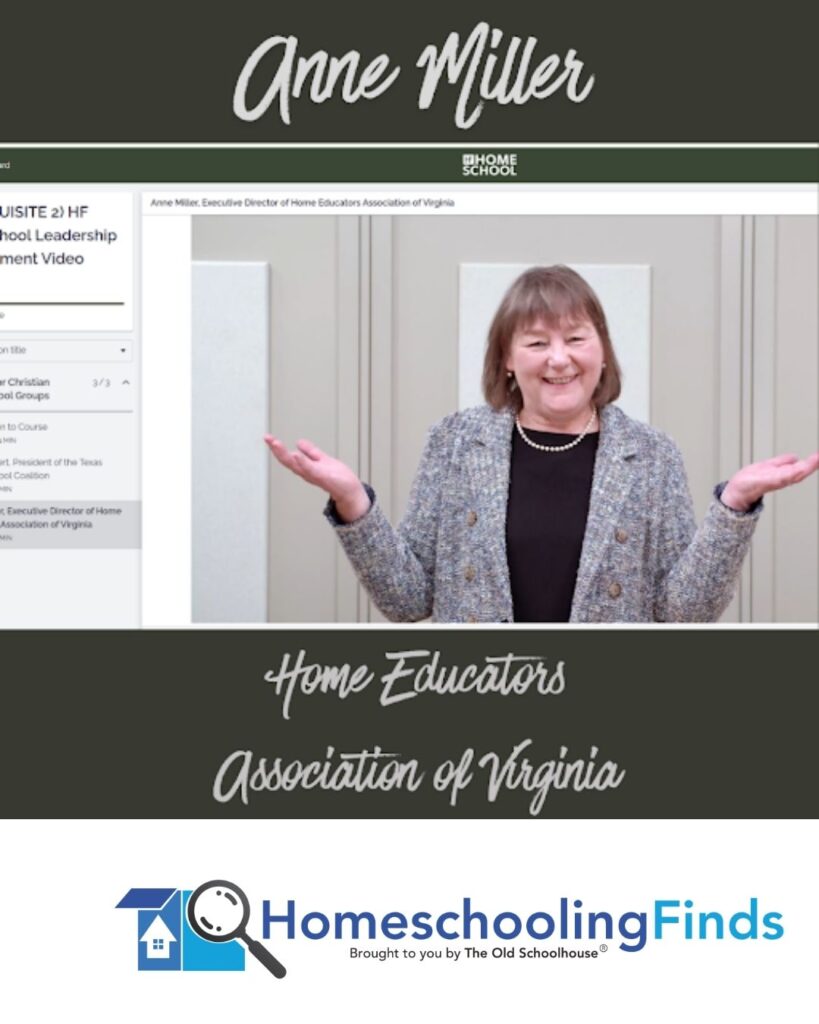
- Prerequisite Courses: These three courses explain the HF Homeschool program and the different paths you can take. You will learn from seasoned homeschool leaders including Anne Miller, the executive director of Home Educators Association of Virginia and Tim Lambert, the president of the Texas Homeschool Coalition.
- Learning Portal: Once you complete the prerequisite courses, you are prompted to state which approach you would like to take in your homeschool co-op creation. If undecided, you can mention that as well. Eventually, a mentor will be assigned, at no extra cost, to help you get started with your co-op. Please note that if the training videos are not playing in your browser, try to open a different browser, preferably Chrome.
- Homeschool Group Resources: Here you will access Christian homeschool co-op support through curriculum resources, extracurricular resources, school management software, dual credit partnerships, and more.
HF Homeschool Courses
Course 1: Determining Your Community Needs
Course 2: Determining Your Identity
Course 3: Choosing and Setting Up Your Legal Structure
Course 4: Finances, Facilities, and Fundraising
Course 5: Administration
Course 6: Marketing Your Homeschool Co-op
Course 7: Scheduling and Curriculum
Course 8: Onboarding Teams, Families, and Educators

FAQs
Can I start a new co-op if others already exist in my area?
Absolutely! Homeschooling is growing and so are the needs of the homeschooling community. While some families are seeking trades-based co-ops, others are looking for a Charlotte-Mason community. The needs vary by region and personal preference. Training opportunities and mentorship are available for a wide variety of Christian-based methods and philosophies to help get started.
Are the HF Homeschool Co-op Courses for New Leaders Only?
Even if you have already led a co-op previously with younger children, in another state, or in another season of your life, you can still gain valuable insight from the free courses available in the HF Homeschool portal. This step-by-step co-op planning guide will help you and your co-op succeed from the ground up regardless of experience or educational background.
What If I Am Interested in Starting a Christian School?
Dedicated to seeing Christian education carry over throughout the generations, the Herzog Foundation also provides training for educators seeking to establish Christian schools with the HF School Box.
How Do I Get Started with HF Homeschool?
To begin your own Christian homeschool co-op with support, visit HF Homeschool today to get started at no cost to you.
HomeschoolingFinds.com Author
Heather Vogler, her husband, and five children call the Blue Ridge Mountains of Virginia home where they homeschool and homestead. Heather has homeschooled her children from the beginning and enjoys an eclectic style of teaching. As a freelance writer she has been published in Focus on the Family Magazine, War Cry Magazine, and Brio Magazine. Heather holds a BA in Christian Ministries and currently writes at ThriftSchooling.com.